Table of Contents
What is Anterior Knee Pain?
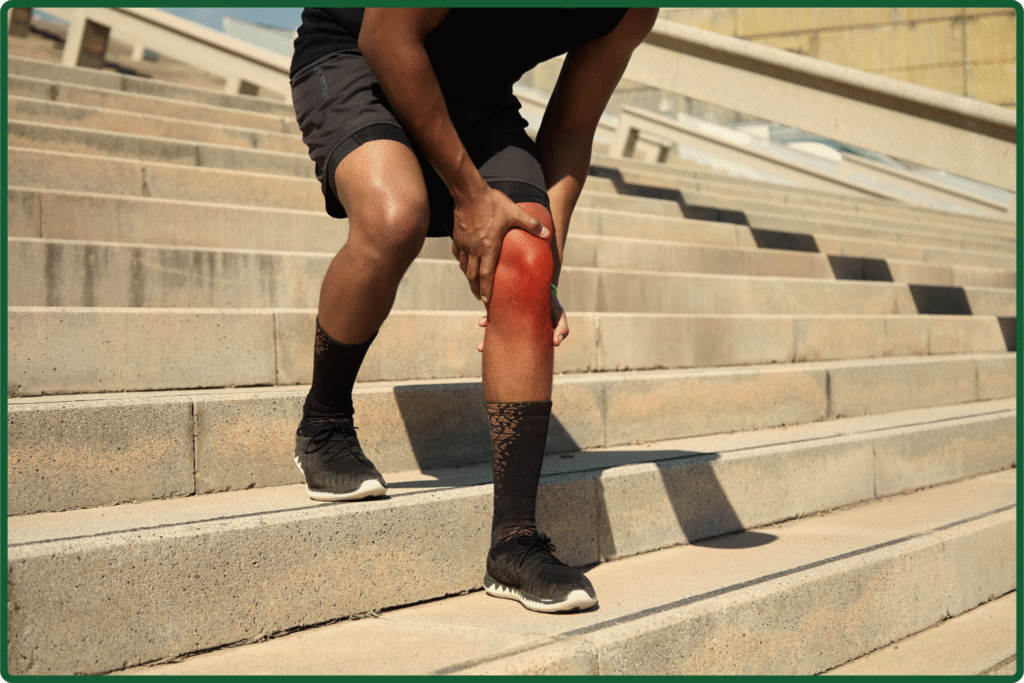
Anterior knee pain refers to discomfort at the front of your knee-often around or behind the kneecap (patella). It is common in young adults, teenagers, athletes, and anyone increasing their activity levels, but it can affect all ages. In most cases, it is NOT related to a major injury and often develops gradually
Signs & Symptoms
- Pain (dull ache or sharp) at the front of knee, worsens with stairs, hills, squatting, or standing up
- Clicking, grinding, or popping (usually harmless), plus mild swelling or stiffness after rest
- Occasional giving way, mild weakness, or puffiness especially when descending stairs
- Rarely, burning or warmth over kneecap
Risk Factors
- Rapid activity increase, poor leg muscle strength, or previous knee injury
- Overweight, flat feet, or unsupportive footwear
- Adolescence (growth spurts) and sports involving jumping/running
Diagnosis
A doctor or physiotherapist will review your symptoms, medical history, and perform a gentle knee examination. Tests such as X-ray or MRI are rarely needed unless a significant injury is suspected, or if pain does not improve.
Treatment Options:
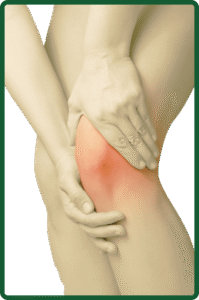
Physiotherapy is key – targeted exercises help build strength and balance in your thigh, hip, and buttock muscles. Most patients recover fully with this plan, but progress can take weeks to months so be patient.
Exercises
- Quadriceps strengthening: e.g., straight leg raises, mini squats, wall slides.
- Hip and gluteal strengthening: e.g., bridges, side leg lifts.
- Stretchings : e.g., calf stretching and Hamstring streching
Start slowly and increase as symptoms improve. Some discomfort is normal; pain should be mild and settle within two hours after exercise.
Recovery & Outlook
- Most people recover in a few weeks to three months.
- Longer-standing pain may take several months.
- Sticking to exercise and self-care advice is vital-don’t be discouraged if progress is gradual!
- Surgery or injections are rarely required.