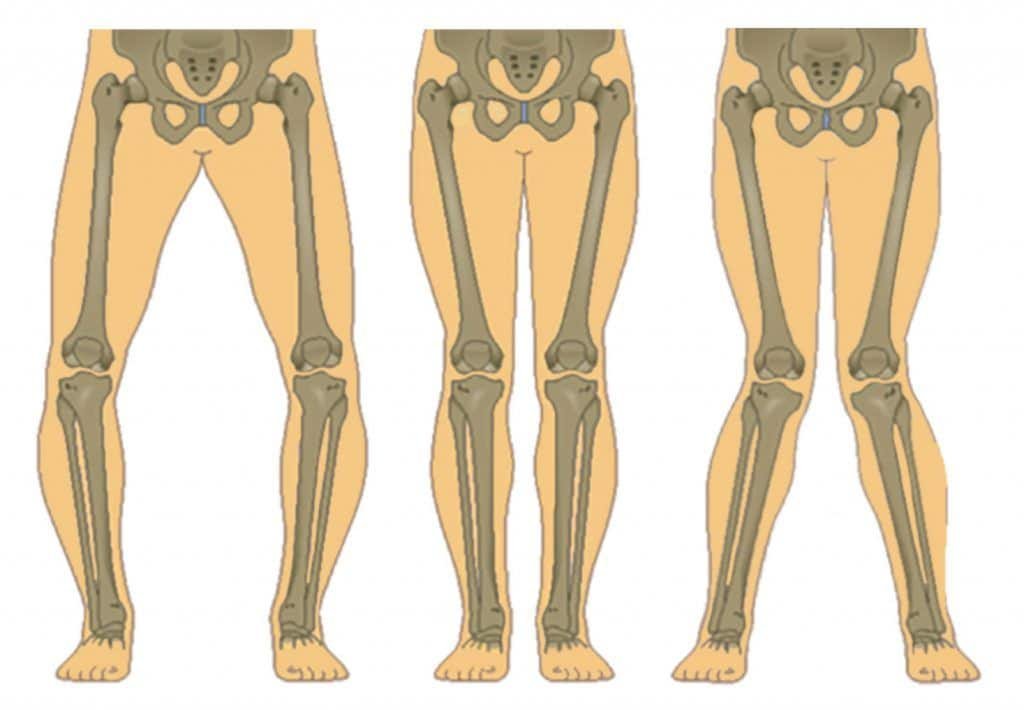
As a parent, noticing that your child’s legs curve inward (knock knees) or outward (bowlegs) can naturally lead to concern and questions about treatment and long-term effects. These conditions are common in young children and understanding what’s normal and when intervention is needed can help you take the right steps confidently.
Understanding Knock Knees and Bowlegs
Both knock knees (genu valgum) and bowlegs (genu varum) refer to how a child’s legs align. It’s important to know that these variations are often part of typical development:
-
Many toddlers naturally have bowlegs which gradually straighten by the age of 2 to 3.
-
Knock knees tend to develop later, around ages 3 to 5, often improving by the time a child is 7 or 8.
The good news is that in most cases, these leg alignments correct themselves without treatment as the child grows.
When Should You Consider Treatment?
While most cases resolve naturally, treatment may be necessary if:
-
The leg deformity is severe or worsening beyond the usual age range.
-
Your child experiences pain, difficulty walking, or frequent falls.
-
There is a significant difference between the lengths of the legs.
-
The condition is caused by an underlying health issue such as rickets or other bone disorders.
If any of these signs appear, it’s advisable to seek assessment from a pediatric orthopaedic specialist who can evaluate the situation carefully.
Treatment Approaches
Treatment depends on the severity and cause but generally follows a conservative first-line strategy:
-
Observation: Many children simply need regular monitoring to ensure natural correction is occurring.
-
Physical Therapy: Exercises can help improve muscle strength and joint stability, supporting proper leg alignment.
-
Orthotic Devices: In some cases, specially designed braces or shoe inserts can help guide growth and improve walking patterns.
-
Surgical Options: Rarely needed, surgery is considered for severe deformities that do not improve with time or conservative measures, usually only after growth plates have matured.
What Parents Can Do at Home
Encourage your child to stay active with age-appropriate activities to promote healthy muscle development. Regular check-ups with your healthcare provider will help track progress and catch any concerns early.
Final Thoughts
Knock knees and bowlegs are often normal phases of a child’s development. Knowing when to watch and when to seek expert advice is key to supporting your child’s healthy growth. Early professional evaluation can provide peace of mind and ensure the best possible outcomes.
Get a personal consultation.
Call us today at +447817783350
Your Journey to a Pain-Free Knee Starts Now.